
ISA Certified Arborist RM-8846A
Tree Risk and Health Assessment in Boulder, Colorado
An early site visit by a certified arborist catches conditions before they become a removal invoice.
Short answer
A tree risk assessment answers three questions: is this tree likely to fail, what would it hit if it did, and what can be done about it, in that order.
Trees are extremely valuable to a property and worth protecting, and identifying conditions and diagnosing trees properly takes extensive education. The pattern we run into is that arborists get called after a tree has been presenting problems for several years and has already entered a mortality spiral. By then the good options are gone.
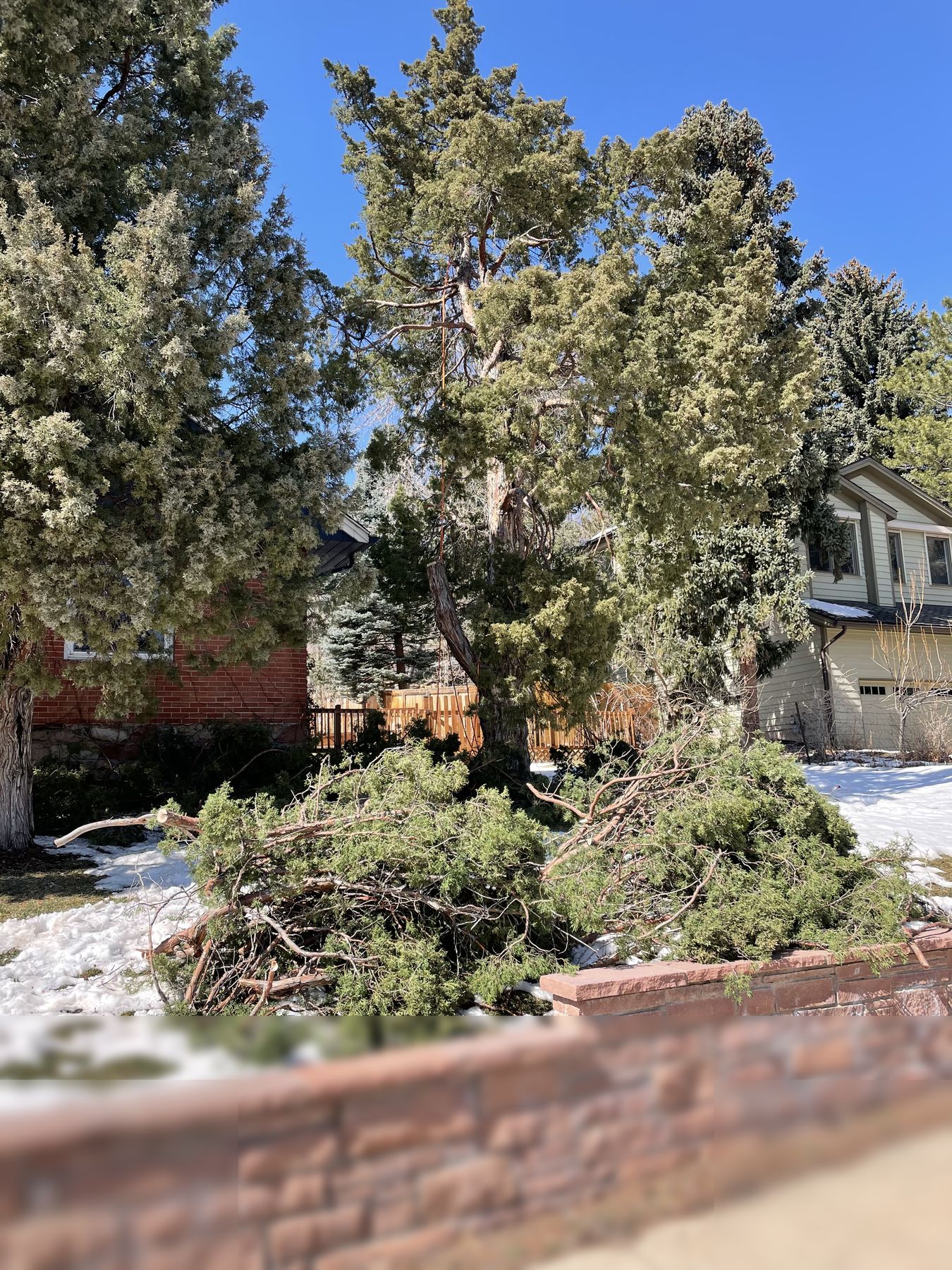
Even when your trees look healthy, regular site visits by an ISA Certified and qualified arborist can catch conditions early and save you thousands over the long run. Early preventative maintenance is materially cheaper than crisis response, and removal is both a genuine loss and an expensive one. It eliminates the shade, the wildlife habitat, and the enjoyment the tree was providing.
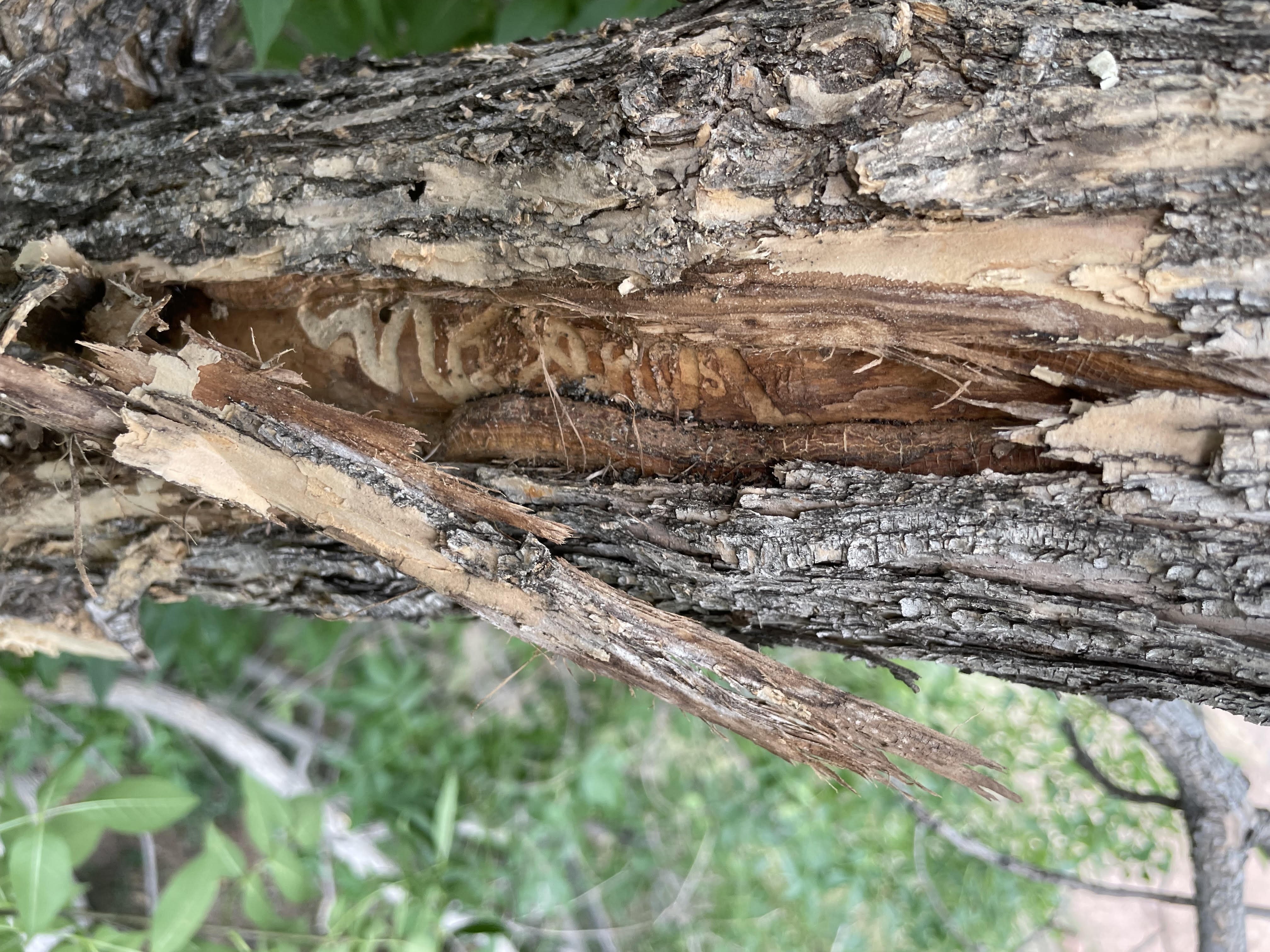
An assessment looks at the whole tree and its context: crown condition and dieback pattern, trunk and union defects, signs of decay, root zone and soil conditions, recent site changes like construction or grade changes, and what is underneath the tree if part of it comes down. You get a straight answer about condition and a clear recommendation, whether that recommendation is treatment, pruning, support, monitoring, or removal.
What does this service include?
- Leaning and damaged trees Evaluating whether a lean or storm-damaged tree is actually a hazard.
- Decline diagnosis Identifying why a tree is losing ground while options still exist.
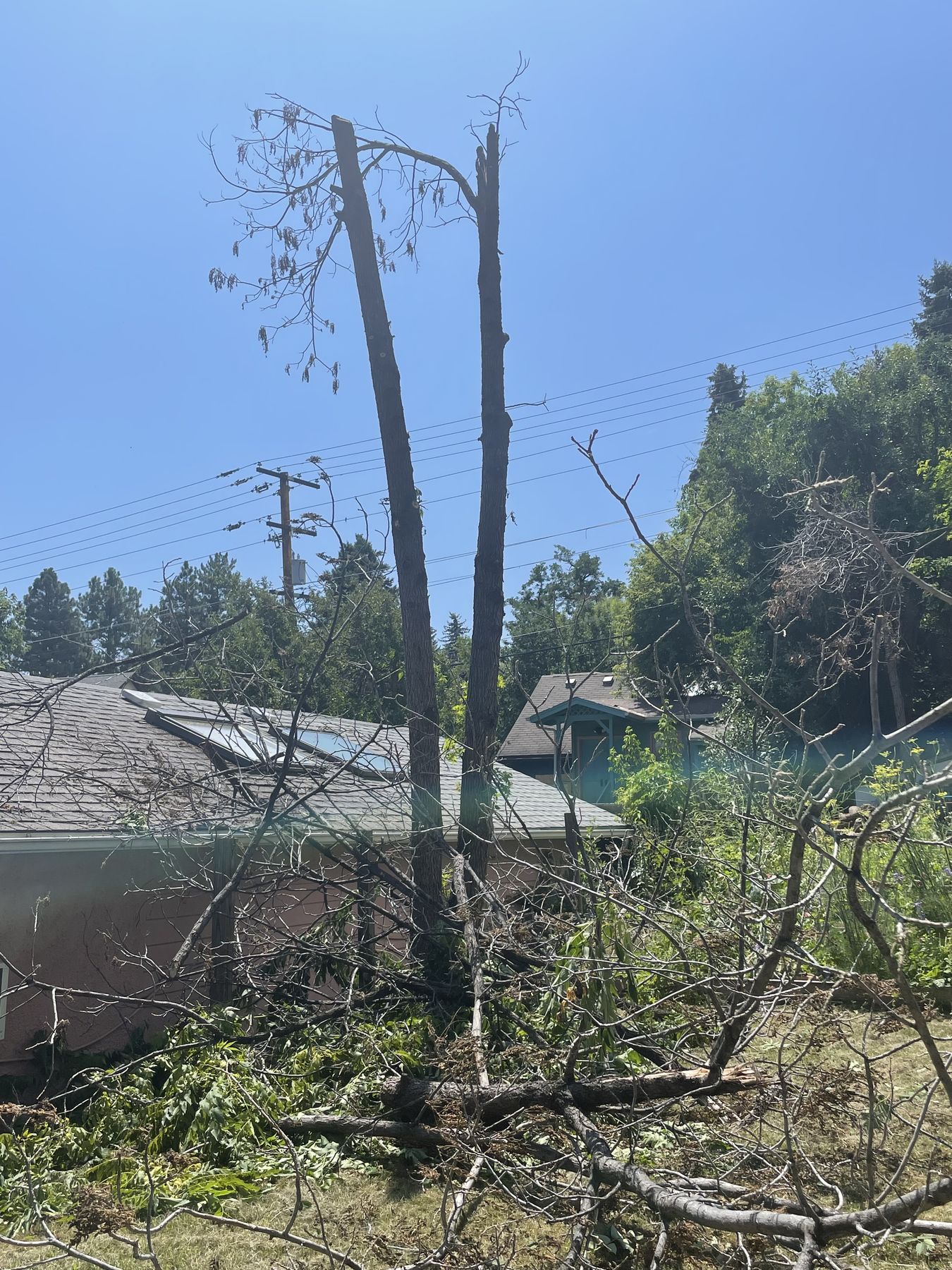
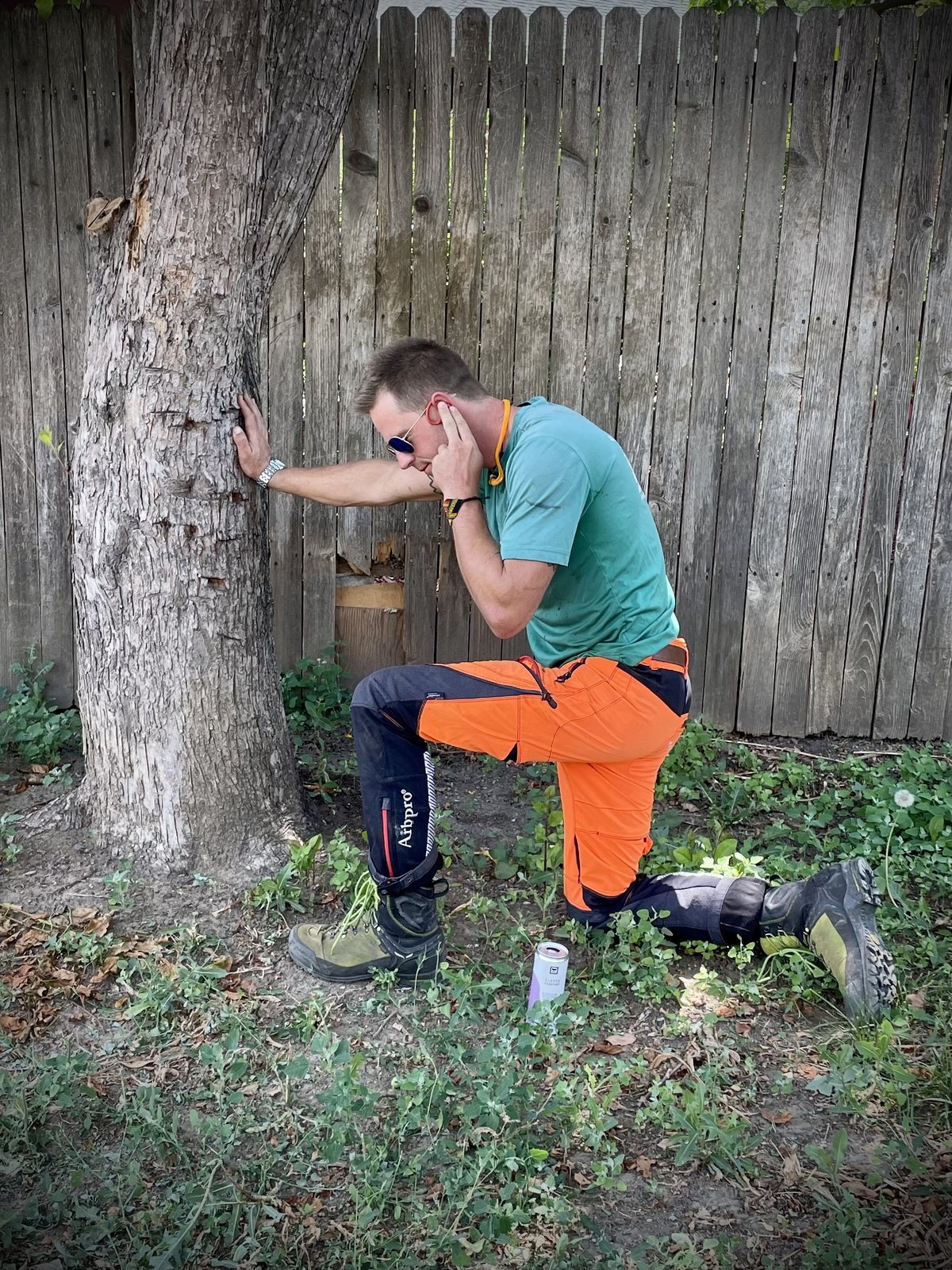
- Structural defects Assessing unions, decay, cracks, and previous poor pruning.
- Preventative site visits Periodic checks on healthy trees to catch problems early.
Where is this service available?
Tree Risk and Health Assessment is available across Boulder County and Broomfield.
Answers
Assessments questions Boulder homeowners ask
My tree is leaning. Is it going to fall?
Not necessarily. Many trees grow with a permanent lean toward light and are perfectly stable. What matters is whether the lean is new, whether there is soil heaving or cracking on the tension side, whether roots have been cut or the grade changed nearby, and whether there is decay at the base. A lean that appeared suddenly after a storm is a different situation from one the tree has held for twenty years, and it deserves prompt inspection.
What does an arborist actually look at during an assessment?
The whole tree and its setting. Crown density and where dieback is occurring, the trunk and any unions for cracks or included bark, evidence of decay such as fungal fruiting bodies, the root zone and any recent disturbance like construction or grade changes, and what sits beneath the tree. Risk is a combination of likelihood of failure and consequence if it happens, so the target underneath is part of the evaluation.
How often should my trees be inspected?
For most established landscape trees an inspection every few years is reasonable, with young trees benefiting from more frequent visits while their structure is being established. Any tree should be looked at after a significant storm, after nearby construction or grade work, or whenever you notice a change in the canopy. Mature trees over a house or a driveway justify closer attention than trees at the back of a lot.
Do you charge for a site visit?
Site visit and quote arrangements are discussed when you call. Every site visit is scheduled with a thirty minute arrival window from the appointment time, so you are not waiting around all afternoon.
Boulder County
Call for a site visit today
Early site visits and preventative maintenance catch conditions while they are still fixable. Talk to an ISA Certified Arborist about what your trees actually need.
Monday to Friday, 8am to 8pm. Closed Saturday and Sunday. All site visits include a 30 minute arrival window.

 Kryn Dykema · RM-8846A