ISA Certified Arborist RM-8846A
Plant Health Care and Trunk Injections in Boulder, Colorado
Diagnosis first, then targeted injection of insecticides, fungicides, resistance activators, or nutrients.
Short answer
Most tree pests, diseases, and root-zone problems in Boulder are treatable or avoidable if they are caught early, diagnosed correctly, and then addressed with the right approach, which is why diagnosis has to come before any product goes into the tree.
Trees, like people, are complex, long-lived organisms that can succeed despite real environmental challenges. But in harsh Colorado conditions those challenges often require intervention. Arboriculture is both an art and a science. It combines craft with classroom knowledge, and assessing, diagnosing, and managing a tree so that it keeps developing takes both education and time in the field.
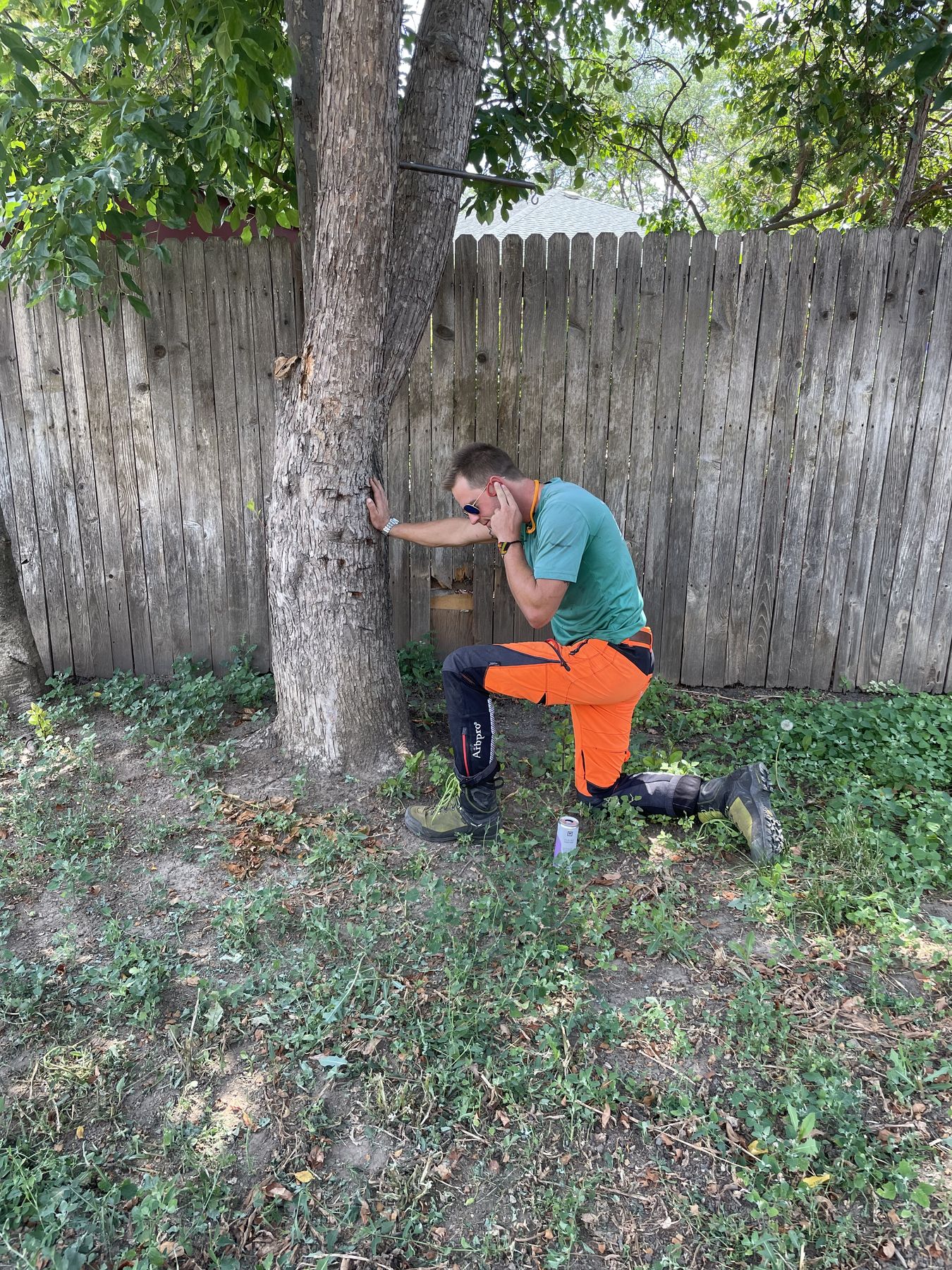
The failure mode we see constantly is a tree that has been declining for several years before anyone calls an arborist, by which point it has entered a mortality spiral that is difficult to reverse. Scale, a piercing and sucking insect that hides under a shell or sheath, is one of the easier problems to identify. Most are not that obvious. Ash trees suffer ash borer, locust trees suffer locust borer, and many hardwoods carry fungal and bacterial diseases like fire blight. Trees can also be struggling entirely from below ground, with nutrient deficiency or toxicity in the root zone.
Where treatment is warranted, product is delivered into the tree's vascular system by injection, using a syringe and compressed air. That gets the material where it needs to go with far less off-target drift than a broadcast spray. What gets injected depends on the diagnosis: an insecticide, a fungicide, a plant resistance activator, or nutrients.
What does this service include?
- Diagnosis Identifying the actual causal agent instead of treating a symptom.
- Insect management Borers, scale, and other pests confirmed before any treatment.
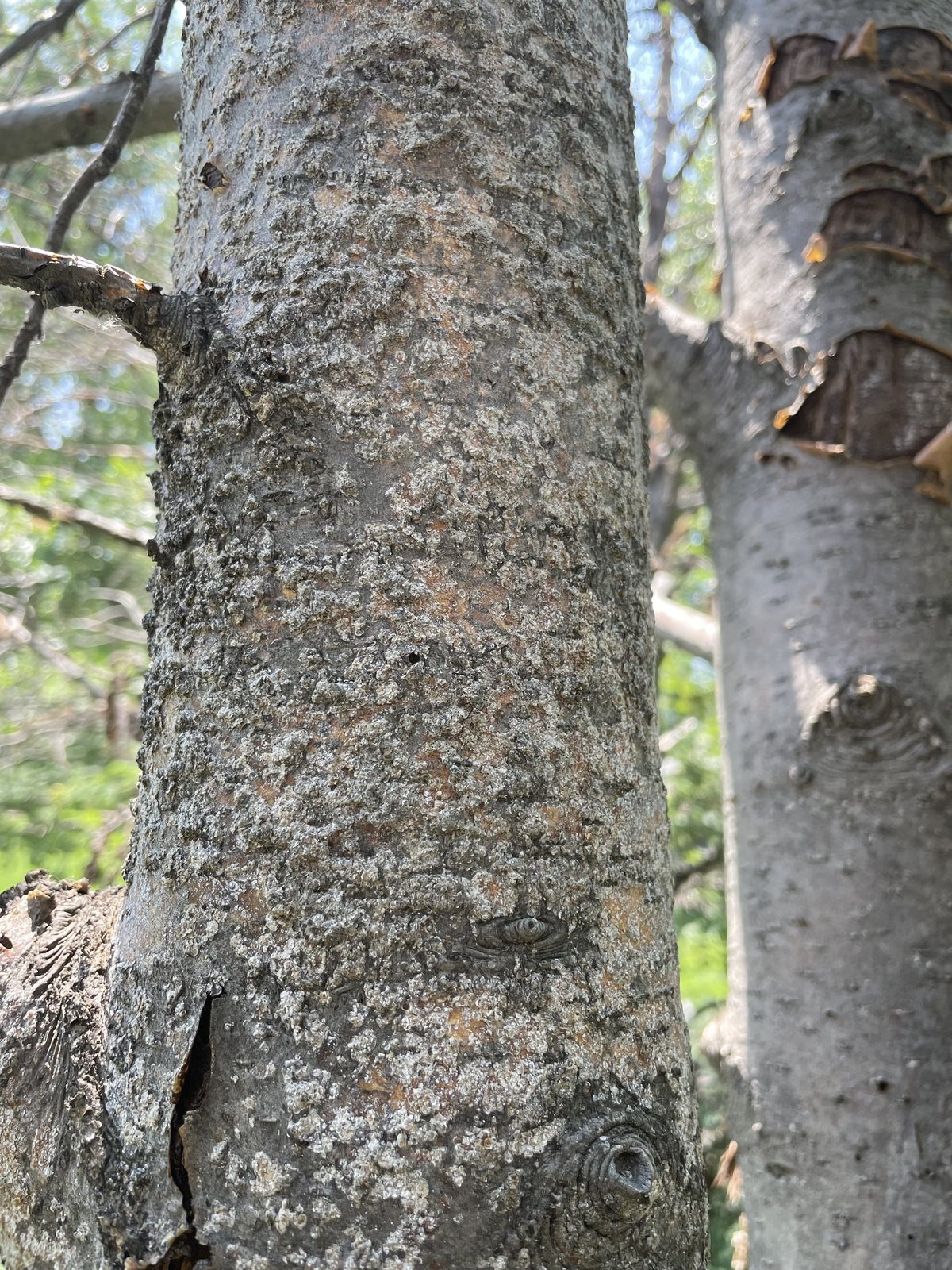
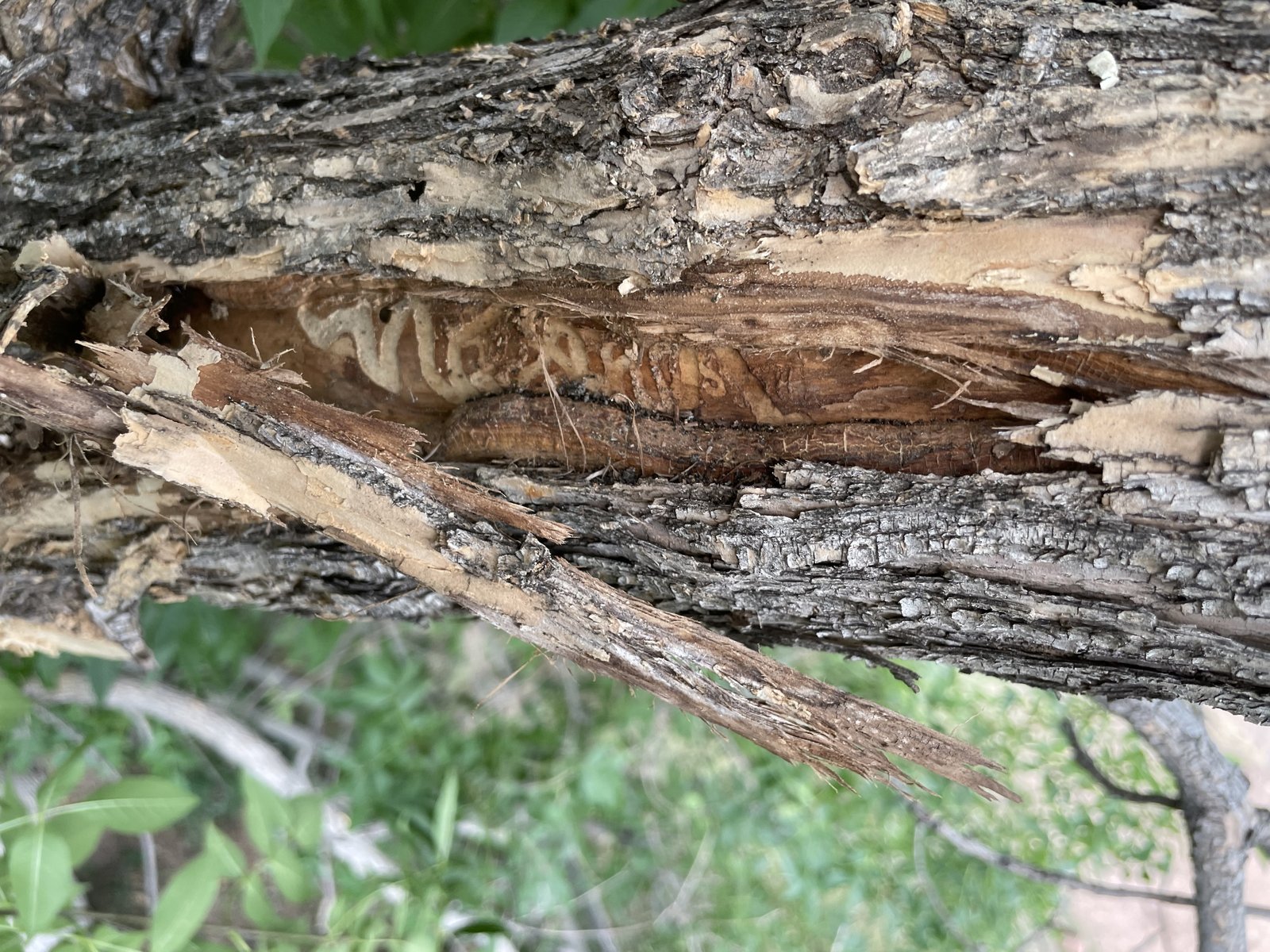
- Disease management Fungal and bacterial issues including fire blight on susceptible hosts.
- Root zone and nutrition Addressing deficiency or toxicity conditions below ground.
See the work in action
Footage from a real job — shot by Kryn on-site in Boulder County.
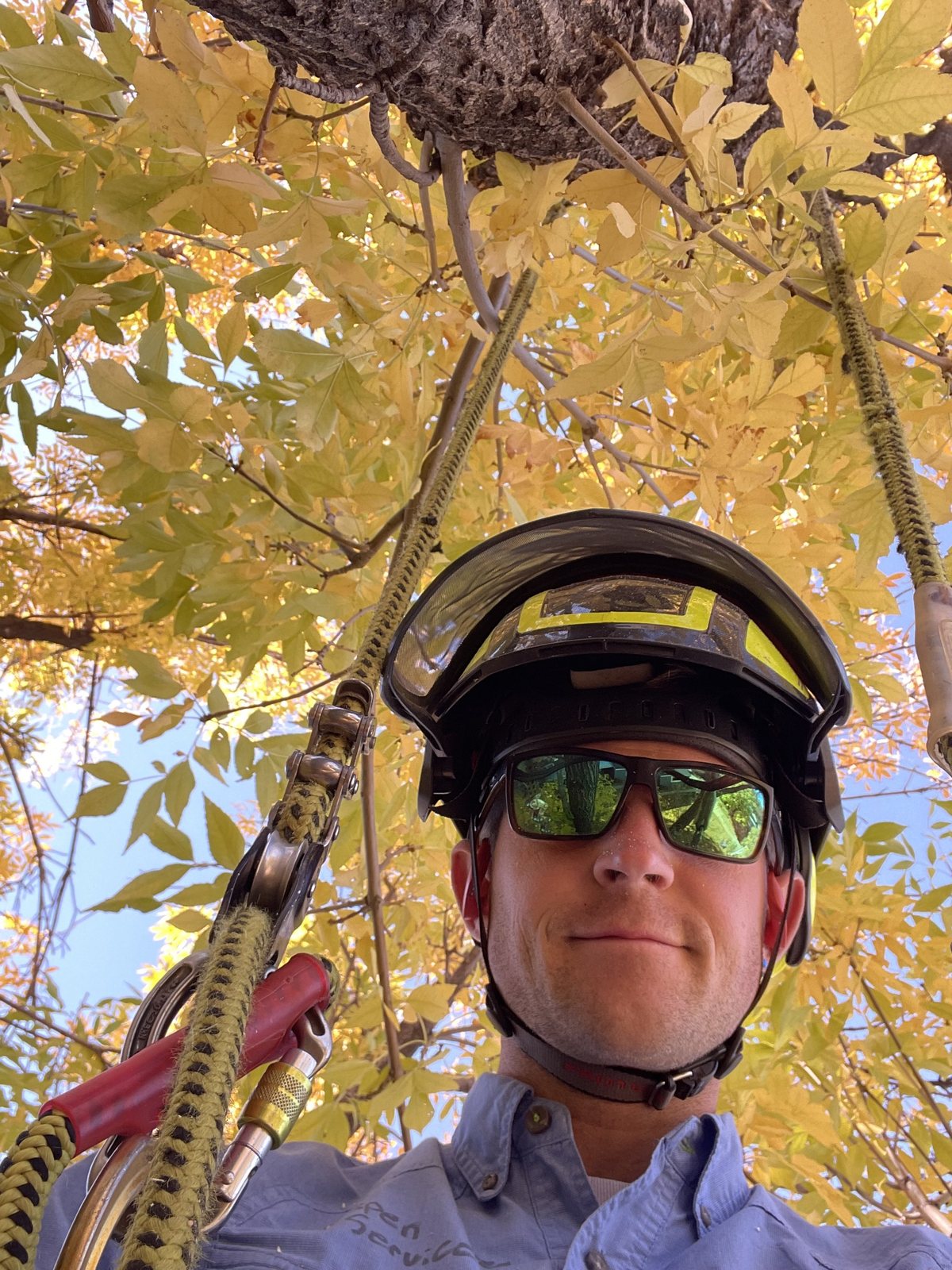
Kryn Dykema injecting treatment into a tree trunk to protect against insect damage and disease
Where is this service available?
Plant Health Care and Trunk Injections is available across Boulder County and Broomfield.
Answers
Plant Health Care questions Boulder homeowners ask
How do I know if my tree is sick or just stressed?
Look for a pattern rather than a single symptom. Crown thinning, dieback that starts at the top and works down, early fall color, excessive sprouting along the trunk, and branches that leaf out late are all signals worth an inspection. Because several very different problems produce similar-looking decline, the value of a site visit is in separating an insect problem from a disease problem from a root-zone problem before anyone spends money treating the wrong one.
What is a trunk injection and why use it instead of spraying?
A trunk injection places treatment directly into the tree's vascular system, which then distributes it through the canopy. Compared with a broadcast foliar spray it uses far less material, does not drift onto neighboring plants, pets, or people, and is not washed off by weather. It is the standard delivery method for systemic pest and disease treatments in mature landscape trees.
How long does a trunk injection last?
It depends entirely on the product. The City of Boulder's own public ash program uses emamectin benzoate on a three-year rotation, while azadirachtin is generally repeated every one to two years and a dinotefuran bark spray is annual. The important point is that preventive treatment is ongoing: if you are treating a tree to keep it alive against a pest like emerald ash borer, the treatments have to continue indefinitely.
Can a tree in decline actually be saved?
Often yes, if it is caught early enough. The determining factor is usually how far the decline has progressed before an arborist looks at it. A tree with most of its canopy intact and a correctly identified, treatable problem has a good outlook. A tree that has been losing ground for five years and has lost most of its leaf area has far less to work with.
Boulder County
Call for a site visit today
Early site visits and preventative maintenance catch conditions while they are still fixable. Talk to an ISA Certified Arborist about what your trees actually need.
Monday to Friday, 8am to 8pm. Closed Saturday and Sunday. All site visits include a 30 minute arrival window.

 Kryn Dykema · RM-8846A