ISA Certified Arborist RM-8846A
Wildfire Mitigation and Defensible Space in Boulder, Colorado
Ladder fuel reduction for homes and HOAs, assessed by an arborist who spent years as a woodland firefighter.
Short answer
Wildfire mitigation works by breaking the vertical ladder of fuel that lets a grass or brush fire climb into your tree canopy and then onto your structure, and most of that work happens in the first thirty feet around the building.
Fire is a growing risk in this community, and Boulder County residents do not need to be convinced of that. What is less obvious is how much of the risk is structural rather than inevitable. Fire moves up through connected layers of fuel, from grass to shrubs to low branches to canopy. Interrupt those connections and you take away the mechanism.
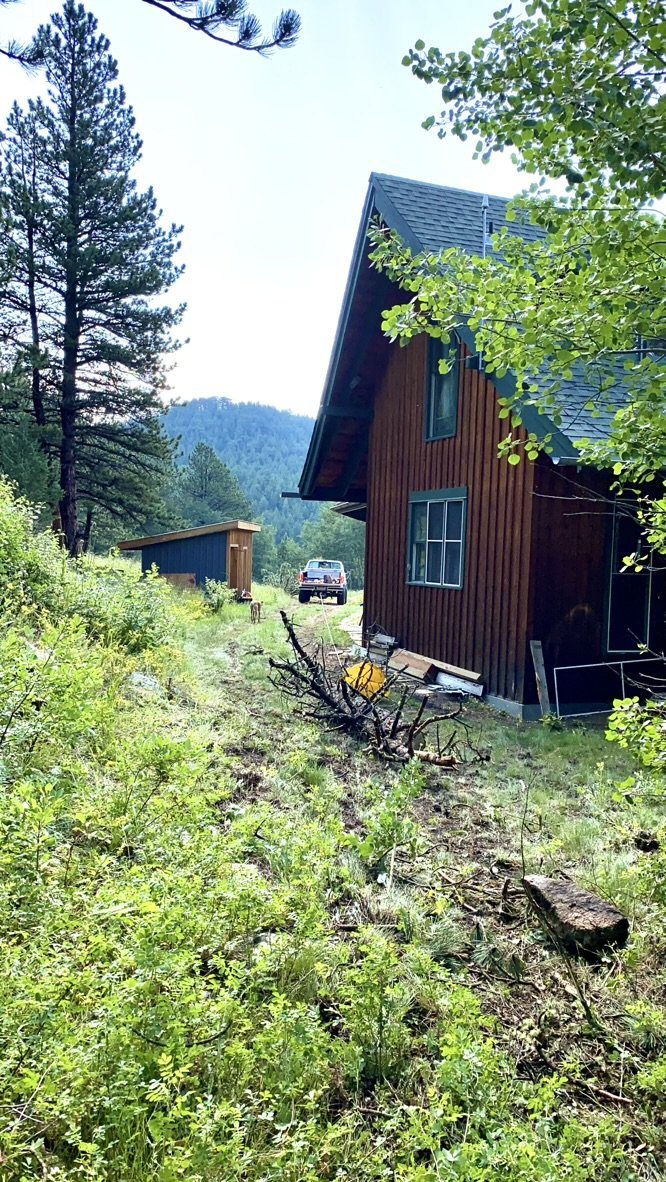
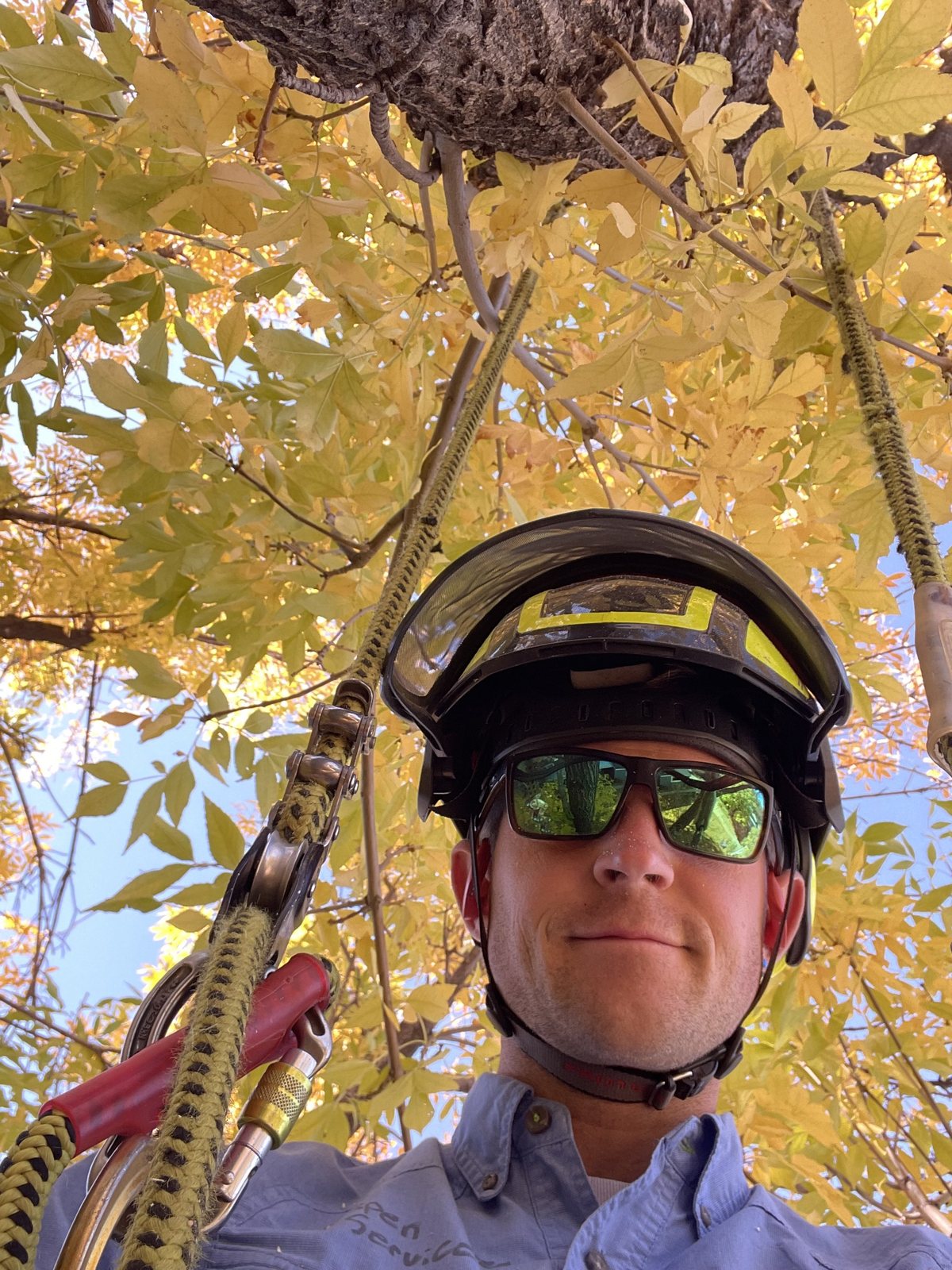
This is the one service where the background matters directly. Kryn worked as a woodland firefighter for a number of years before working as an arborist, which means the assessment comes from someone who has seen how fire actually moves across ground like this, not just read about it.
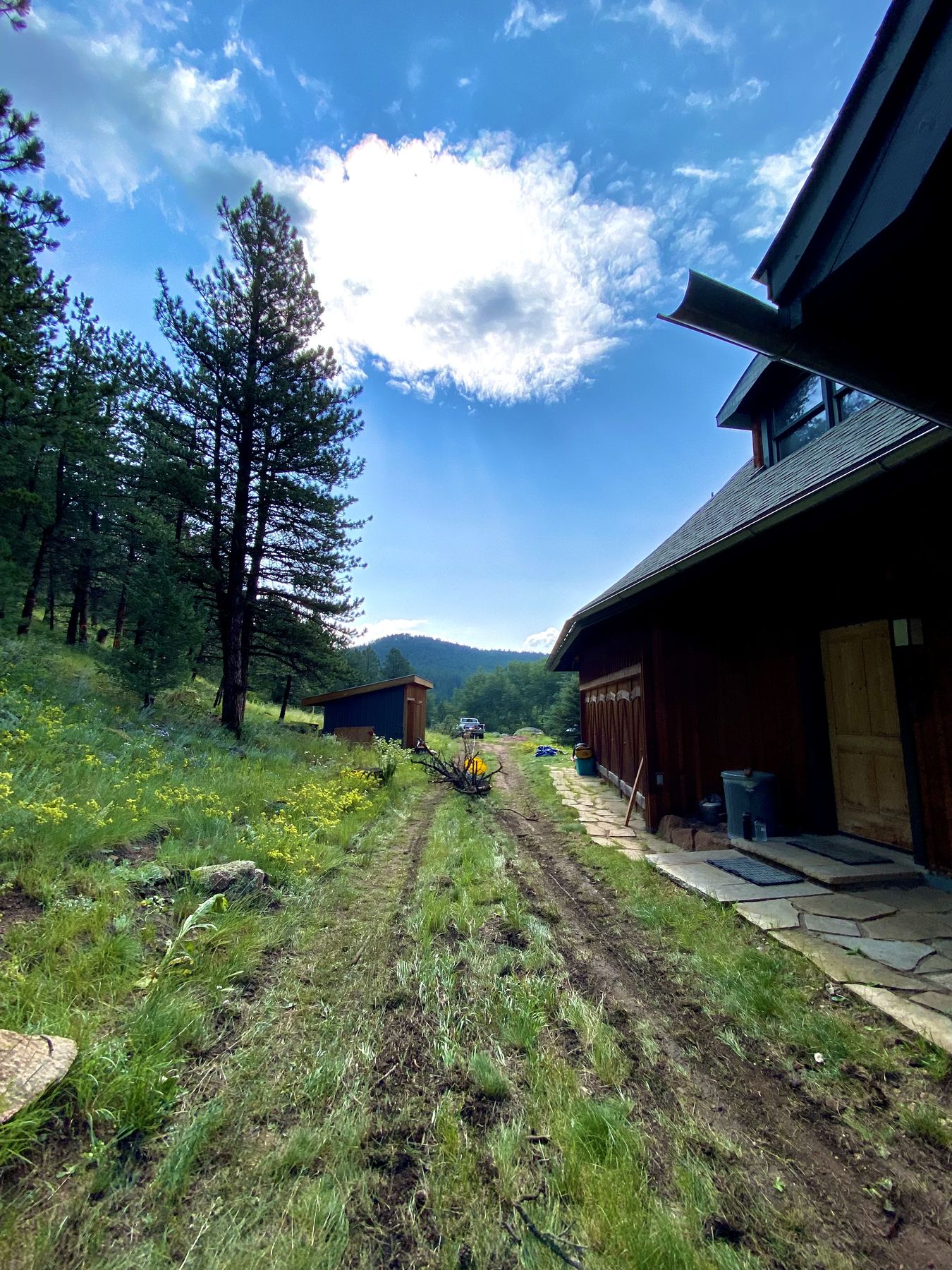
An assessment covers the property or the HOA common area and identifies what to change: ladder fuels under tree canopies, dead material on the ground and in the trees, shrub masses tight against the structure, and canopy that has grown into contact with the roof. The recommendations are specific to the property rather than a generic checklist.
What does this service include?
- Ladder fuel reduction Removing the low and mid-level fuel that carries fire up into the canopy.
- Defensible space zones Prioritizing work by distance from the structure, closest first.
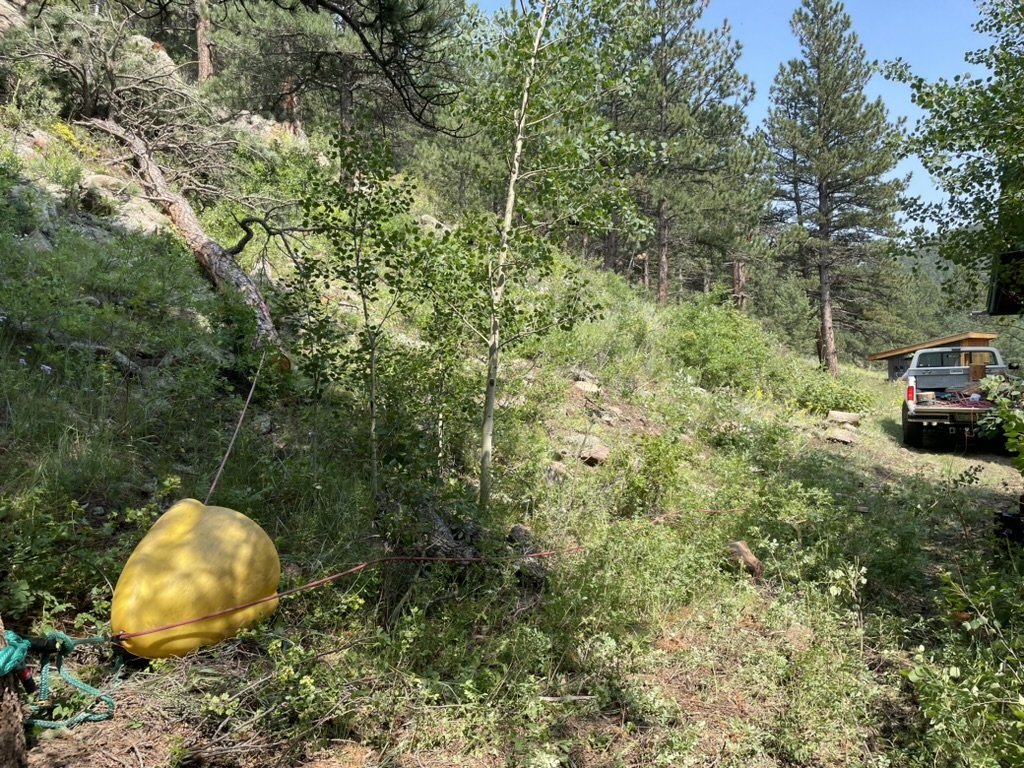
- HOA and common area assessment Property-wide evaluation for associations, not just single lots.
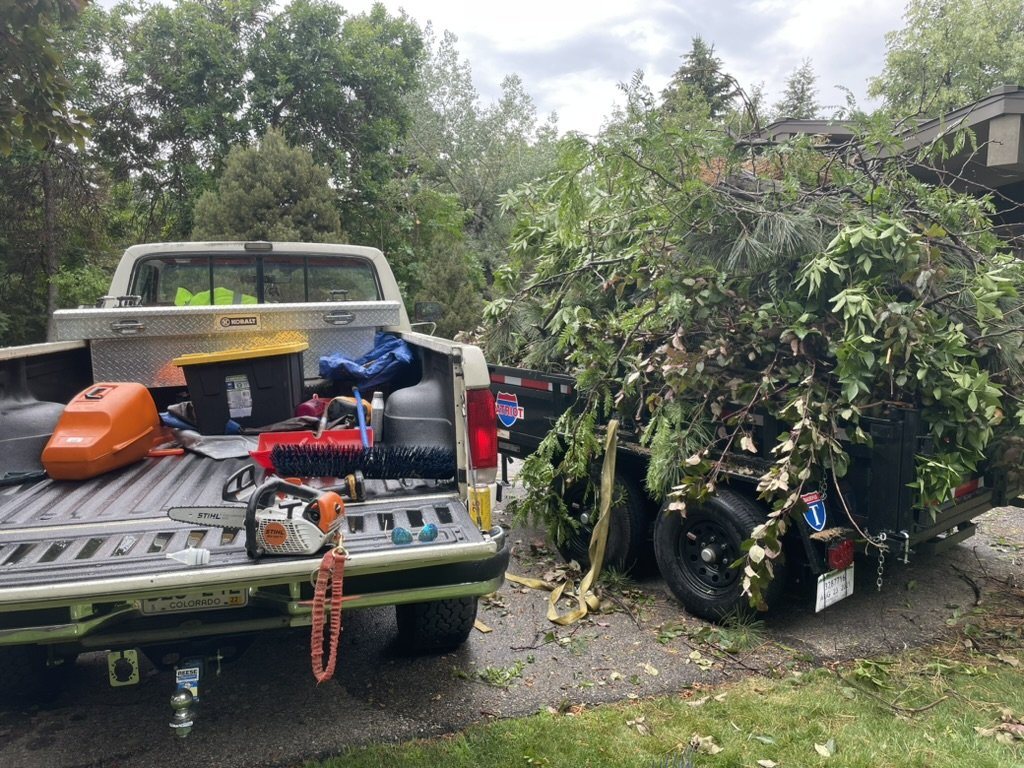
- Deadwood and slash Clearing accumulated dead material that raises fire intensity.
Where is this service available?
Wildfire Mitigation and Defensible Space is available across Boulder County and Broomfield.
Answers
Fire Mitigation questions Boulder homeowners ask
What is defensible space and how much do I need?
Defensible space is the managed area around a structure where fuel has been reduced enough to slow a fire and give firefighters somewhere safe to work. It is organized in zones by distance from the building, and the zone immediately against the structure matters most. The right treatment for a specific property depends on slope, aspect, dominant vegetation, and how the structure is built, which is what an on-site assessment determines.
What are ladder fuels?
Ladder fuels are the intermediate layers of vegetation that connect ground fuel to the tree canopy: tall grass into shrubs, shrubs into low branches, low branches into the crown. A fire in the grass alone is survivable for most trees and structures. A fire that can climb that ladder into the canopy becomes a crown fire, which is far more dangerous and much harder to stop. Removing the middle rungs is one of the highest-value mitigation steps available.
Does wildfire mitigation mean cutting down all my trees?
No. Mitigation is about spacing, connection, and dead material, not clearing a property. A well-mitigated lot can keep substantial healthy tree cover. The work usually looks like raising the lower canopy, thinning dense clumps so crowns are not touching, removing dead wood and heavy shrub mass near the house, and pulling growth off the roof.
Can you assess an HOA or shared common area?
Yes. HOA and shared common area assessment is part of this service. Common areas are frequently where the untreated fuel actually sits, so evaluating them alongside individual lots gives an association a realistic picture of its exposure.
Boulder County
Call for a site visit today
Early site visits and preventative maintenance catch conditions while they are still fixable. Talk to an ISA Certified Arborist about what your trees actually need.
Monday to Friday, 8am to 8pm. Closed Saturday and Sunday. All site visits include a 30 minute arrival window.

 Kryn Dykema · RM-8846A